June 29, 2026
Rear-end crashes are one of the most common types of automobile accidents. In the aftermath, creating a robust legal claim is crucial for victim compensation. This blog explores the detailed steps a local rear end collision attorney takes to construct solid claims for their clients involved in rear-end collisions. Understanding the intricacies of such claims makes a significant difference in the outcome for those injured. The crucial elements at play include determining liability, gathering evidence, evaluating injuries, and effectively negotiating with insurance companies.
Understanding the Basics of Rear-End Collision Liability
Determining Fault
Determining fault is often the first and most pivotal step in handling a rear-end collision claim. In many jurisdictions, the driver of the rear vehicle is presumed to be at fault. However, this assumption does not absolve other parties from liability if there are contributing factors. Lawyers meticulously analyze every aspect, including distracted driving or mechanical failures, that might have played a role. Each case is unique, requiring tailored strategies to establish fault conclusively, which is essential for any claim to succeed.
Analyzing Traffic Laws
Traffic laws provide the foundation for establishing liability in rear-end collisions. Lawyers closely examine these regulations to construct a solid legal argument. They look for violations that suggest negligence, such as not maintaining a safe following distance. A thorough understanding of traffic laws helps a local rear end collision attorney demonstrate how the breach directly contributed to the accident. This detailed analysis strengthens the claim and supports efforts to secure fair compensation for their clients.
Gathering Eyewitness Accounts
Eyewitness accounts play a vital role in corroborating details about an accident. Lawyers actively seek statements from those who witnessed the incident to gain additional perspectives. These accounts can provide crucial information regarding driver behavior and road conditions. Such firsthand testimony is instrumental in painting a vivid picture of the event. The inclusion of eyewitness statements often aids in substantiating the evidence collected from other sources.
Investigating Road Conditions
The condition of the road at the time of the accident can significantly influence outcomes in rear-end collisions. Lawyers meticulously investigate any factors that might have compromised road safety, such as poor lighting or worn-out signage. A detailed analysis of road conditions can reveal if they contributed to the accident, affecting liability assessments. A local rear end collision attorney may also consult with traffic engineers to confirm these findings.
Reviewing Police Reports
Police reports are invaluable resources for lawyers building a claim following a rear-end crash. These documents often contain critical information about the accident scene and initial assessments of fault. Lawyers scrutinize these reports for inconsistencies or inaccuracies that might need addressing. Additionally, they may correspond with the officers involved to gain further clarifications.
Collecting and Preserving Vital Evidence
Photographing the Accident Scene
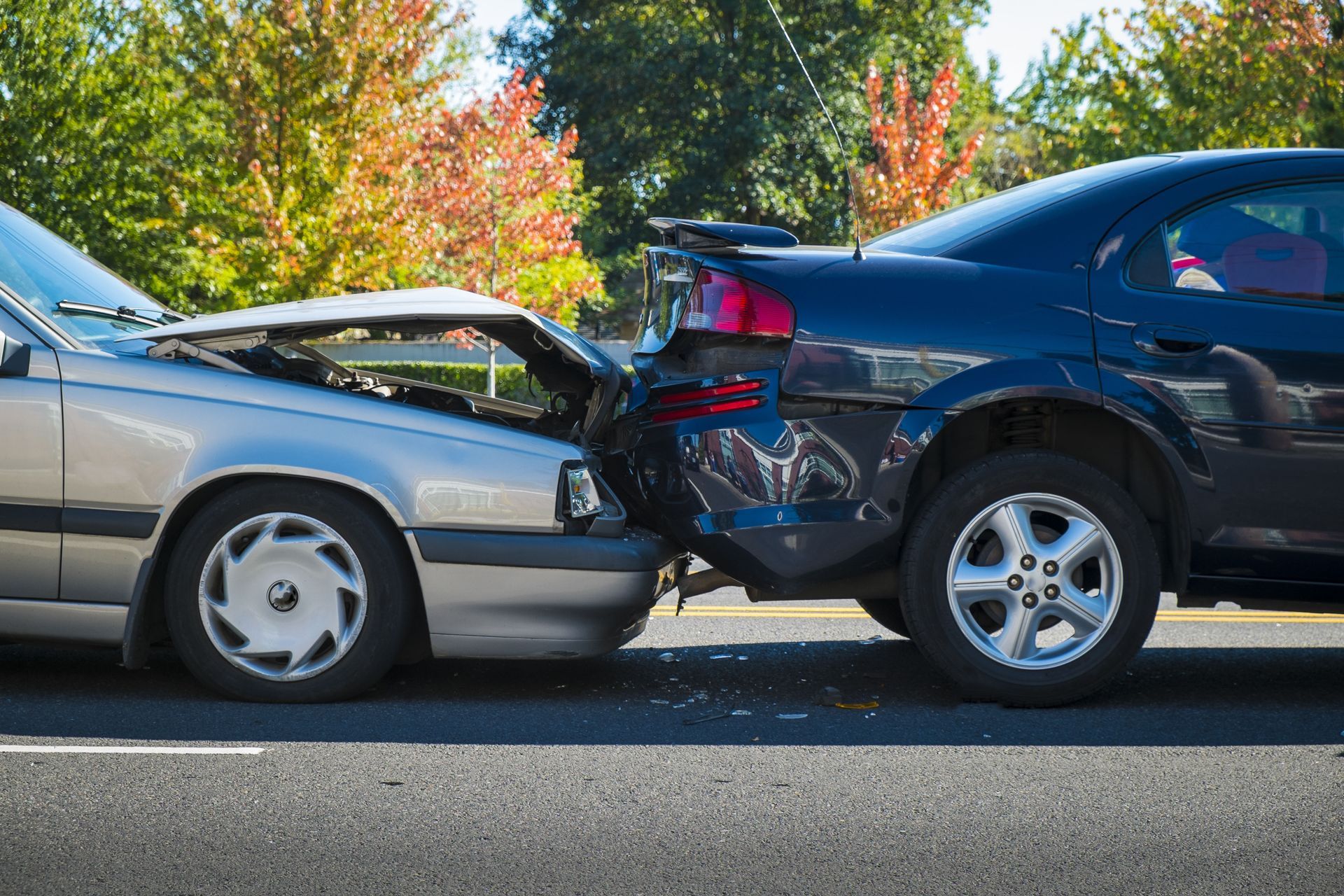
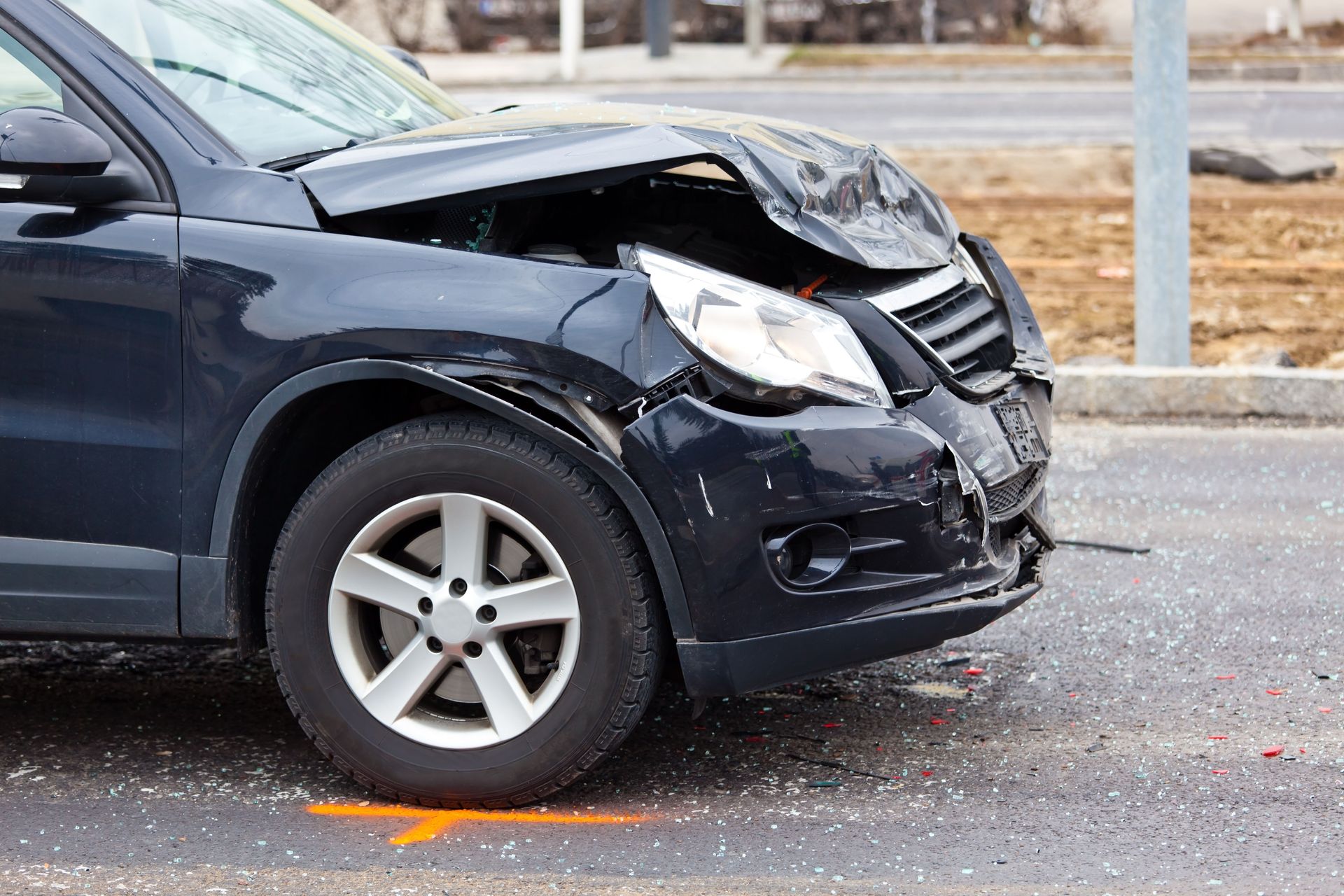
Photographs are compelling pieces of evidence when articulating the circumstances of a rear-end collision. Lawyers encourage clients to document the accident scene promptly, capturing vehicle positions, damages, and road conditions. Such visual evidence can vividly illustrate fault and impact in a compelling manner. The earliest photos often contain details that fade from memory or change shortly after the incident. This proactive step ensures a visual record is available for future reference in court or settlement discussions.
Obtaining Vehicle Damage Assessments
Understanding the extent of vehicle damage is crucial when assessing claims after a rear-end collision. Lawyers meticulously review repair estimates and assessments provided by qualified mechanics. By comparing these reports with the accounts of the crash, a local rear end collision attorney can infer aspects of collision dynamics. This technical evidence bolsters arguments about the accident's severity and its effects on the vehicles involved. It helps paint a clearer picture of the accident's impact when negotiating with insurers or presenting in a courtroom.
Collecting Surveillance Footage
Surveillance footage is an objective and powerful piece of evidence. Lawyers actively seek out cameras that might have captured the accident from nearby businesses or traffic lights. These recordings offer unbiased accounts of the event unfolding, which are invaluable in substantiating claims. In many instances, showing clear footage of the incident has been pivotal in swaying case results. Timely collection of such video evidence often plays a significant role in strengthening a legal argument.
Securing Black Box Data
Modern vehicles come equipped with black boxes that store data on vehicle performance and driver activity. In a rear-end collision, these devices can reveal crucial details like speed, brake application, and steering angles. Lawyers seek to obtain and analyze this data to construct a detailed narrative around the accident. This technical evidence, often reviewed by experts, supports claims of fault if it demonstrates erratic or negligent driving behavior. The timely securing of black box data can make a pivotal difference in case outcomes.
Documenting Medical Evaluations
Medical evaluations are recorded promptly following a rear-end collision to document injuries. A local rear end collision attorney emphasizes the importance of continual medical examinations to track recovery and uncover any delayed symptoms. These medical records form a core part of the evidence when claiming damages for injuries sustained. They corroborate the severity of physical harm and its impact on the victim's life.
Evaluating Injury Claims and Medical Records
Understanding Common Injuries from Rear-End Collisions
Injuries resulting from rear-end collisions commonly include whiplash, concussions, and spinal damage. Lawyers must thoroughly understand these injuries' nature and typical treatment paths to represent their clients effectively. This understanding helps them communicate the extent and impact of such injuries on the victims' lives to insurance companies and courts. 33% of car accident types are rear-end collisions, according to Vegas Valley Injury Law, emphasizing the frequency and potential severity of injuries involved. Detailed comprehension of these injuries strengthens the case for fair compensation.
Consulting Medical Experts
Legal professionals frequently collaborate with medical experts to evaluate and interpret injury claims. These experts can provide detailed insights into the injury's severity and probable recovery trajectory. Their testimony adds a robust layer of credibility to a legal claim, especially in disputed cases. Additionally, these consultants can offer projections on long-term health consequences, which are essential for calculating adequate compensation.
Correlating Injuries with Crash Dynamics
The dynamics of a crash can indicate the likely injuries sustained, crucial in supporting a legal claim. Lawyers analyze crash data, vehicle damage, and witness statements to correlate them with medical reports. This correlation helps establish a strong causal link between the accident and the injuries. Demonstrating this link is often pivotal for full compensation recovery. By meticulously correlating these elements, a skilled local rear end collision attorney builds compelling arguments for their clients' claims.
Reviewing Long-Term Health Impacts
The long-term health impacts of rear-end collisions can be extensive and life-altering. Lawyers must evaluate these impacts to ensure their clients receive compensation reflective of the injury's lifelong consequences. Conditions like chronic pain or mobility issues may not manifest immediately but have significant future implications. Attorneys collaborate with healthcare professionals to assess these potential long-term effects accurately.
Successfully building a claim after a rear-end crash involves comprehensive understanding, thorough investigation, and skilled negotiation. By mastering these areas, lawyers provide crucial support to their clients, ensuring they receive the compensation they deserve for their losses and suffering. For a local rear end collision attorney, call The Law Office of Brian R Toung, PA today.