October 29, 2026
Every auto accident presents its own challenges, from determining who caused the collision to calculating the financial impact of serious injuries. The legal approach that works for one person may not address another person's needs, circumstances, or long-term recovery goals. Understanding how legal representation adapts to individual situations can help you make informed decisions after a crash.
Rather than treating every claim the same way, collision attorneys evaluate the circumstances of an accident, the available evidence, and the damages a victim has suffered. This individualized approach helps establish liability, address insurance complications, and pursue compensation that reflects the full impact of an accident.
Assessing the Circumstances of Your Accident
Investigating the Cause of the Collision
Building an effective auto accident claim begins with determining how the crash happened and identifying the parties who may be responsible. Collision attorneys examine police reports, photographs, witness statements, vehicle damage, and other available evidence to establish a clear account of the incident. The investigation may also involve reviewing road conditions, traffic signals, and the actions of each driver immediately before the impact.
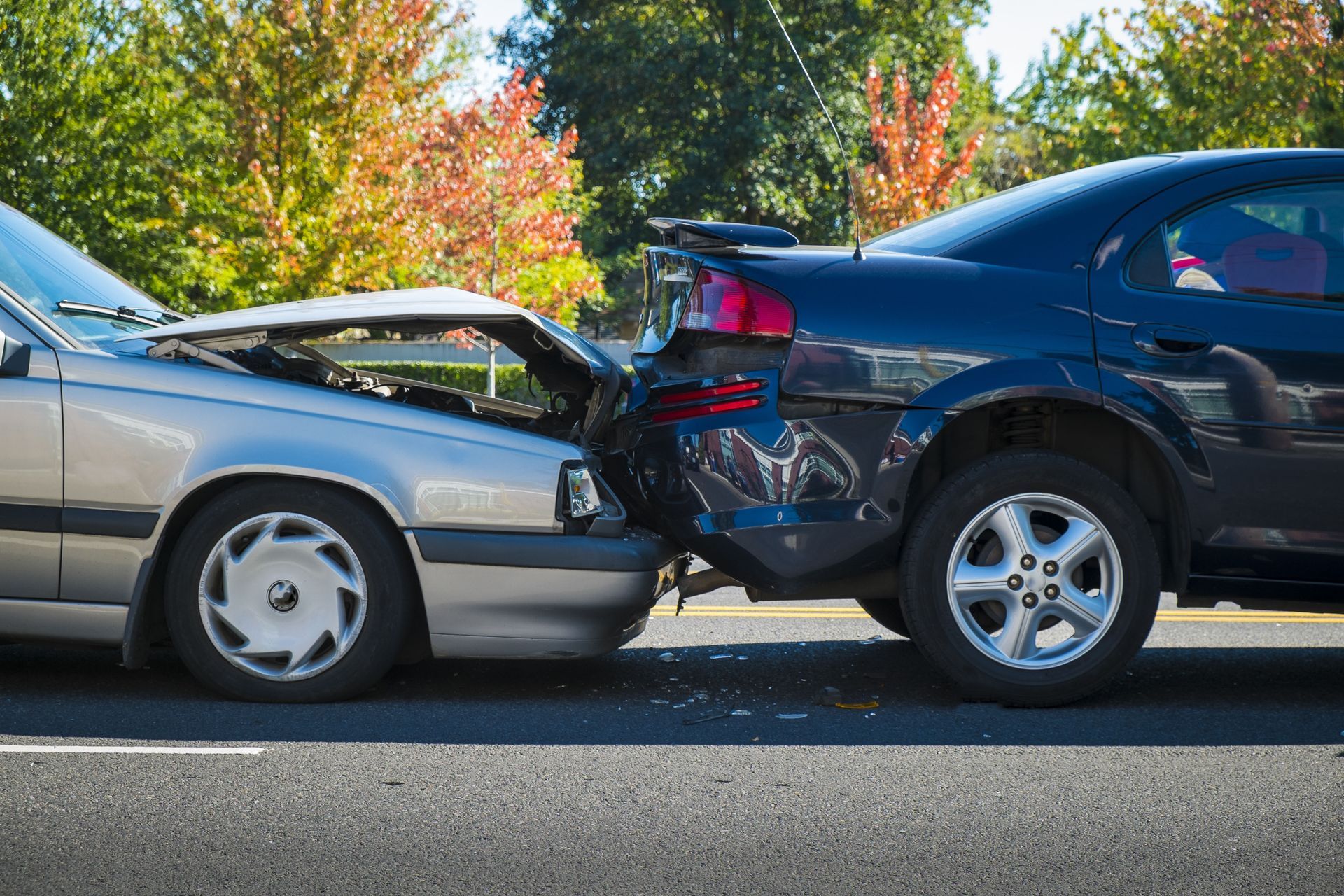
The details of the collision influence which investigative steps are most appropriate. For example, a rear-end crash may require examining following distance, braking behavior, and whether the driver behind had sufficient time to stop. A multi-vehicle accident may require a more extensive analysis to determine how the sequence of impacts unfolded and whether multiple drivers contributed to the incident.
Identifying Negligent Driving Behaviors
Evidence of driver negligence can significantly influence how a claim develops. Collision attorneys look for behaviors such as speeding, distracted driving, impaired driving, and failure to yield when evaluating responsibility. According to the World Health Organization, drivers who use mobile phones while driving face approximately four times the crash risk of drivers who do not use them. If the driver responsible for a collision was using a phone, that detail may be important when investigating the circumstances and establishing negligence.
The investigation may also need to account for evidence that is not immediately available to the injured person. Witness accounts, relevant surveillance footage, and records obtained through appropriate legal procedures can help clarify what happened. Attorneys can identify potentially useful evidence and take steps to preserve it before it becomes unavailable, strengthening the factual basis for the claim.
Adapting the Investigation to the Vehicle Involved
Different vehicle types can introduce distinct liability questions. A commercial truck accident, for instance, may require reviewing driver logs, maintenance records, cargo loading practices, and compliance with applicable trucking regulations. Depending on the circumstances, the trucking company, a maintenance provider, or another party may share responsibility for the crash.
Motorcycle, bicycle, and pedestrian accidents present different investigative challenges. Because these road users have less physical protection than occupants of passenger vehicles, collisions can result in severe injuries even at relatively low speeds. Attorneys may examine visibility, right-of-way rules, vehicle positioning, and the actions of other motorists to determine how the accident occurred. Tailoring the investigation to the specific incident helps avoid overlooking evidence relevant to liability.
Addressing Your Injuries and Financial Losses
Evaluating the Full Extent of Your Injuries
The physical consequences of an auto accident vary considerably, so legal representation must account for the nature and severity of each client's injuries. Collision attorneys review medical records, treatment recommendations, diagnostic findings, and other relevant documentation to understand how the injuries affect daily activities. They may also coordinate with medical professionals to clarify the anticipated course of treatment and the potential for lasting limitations.
Some injuries resolve after a relatively short recovery period, while others require surgery, rehabilitation, or continuing medical supervision. Traumatic brain injuries and spinal cord damage, for example, may affect mobility, cognitive function, independence, and the ability to work. When injuries have long-term consequences, an attorney must consider more than the immediate medical bills when assessing the potential value of a claim.
Calculating Current and Future Financial Damages
An accident can create financial pressure through medical expenses, missed work, vehicle repairs, and other unexpected costs. Collision attorneys organize documentation of these losses and assess which expenses may be recoverable under applicable law. Depending on the case, this process may involve reviewing hospital bills, prescription costs, rehabilitation expenses, wage statements, and records of other accident-related expenditures.
Future losses require additional consideration when an injury affects a person's ability to earn a living or creates ongoing care needs. An attorney may evaluate reduced earning capacity, anticipated medical treatment, and the cost of long-term assistance. Pain, emotional distress, and diminished enjoyment of everyday activities may also be relevant where the law permits recovery. A thorough assessment helps prevent an initial settlement calculation from overlooking losses that could continue well beyond the immediate aftermath of the crash.
Developing a Legal Strategy Around Your Needs
Managing Complex Claims and Multiple Responsible Parties
Some accident claims involve straightforward liability and a single insurance policy. Others require coordination among multiple insurers, businesses, or potentially responsible parties. Collision attorneys adapt their strategy to the complexity of the claim, identifying the relevant parties and evaluating how their actions may have contributed to the accident or resulting injuries.
Truck accidents and ride-share collisions illustrate why this flexibility matters. A commercial trucking claim may involve disputes over driver conduct, company practices, vehicle maintenance, or responsibility for cargo operations. In a ride-share accident, insurance coverage can depend on whether the driver was logged into the platform, traveling to collect a passenger, or actively transporting someone. Identifying the applicable policies and determining which parties may be liable are essential steps toward pursuing available compensation.
Protecting Your Claim During Insurance Negotiations
Insurance companies evaluate claims according to their own procedures, and their initial settlement offers may not account for every loss an injured person has experienced. Attorneys review offers against the available evidence, documented damages, and potential future expenses. They can communicate with insurance adjusters, respond to disputes over liability, and explain the potential consequences of accepting a settlement before the full extent of an injury is understood.
Careful communication is also important during the claims process. Statements made soon after an accident can be interpreted in ways that affect how an insurer evaluates responsibility or damages. Legal guidance can help injured people understand what information they need to provide and avoid unnecessary missteps. If negotiations do not produce an appropriate resolution, the attorney may recommend litigation based on the circumstances and the client's objectives.
Preparing for Litigation When Necessary
Although some claims can be resolved through negotiations, others require a lawsuit to address contested liability or disagreements about compensation. Attorneys tailor their preparation to the issues likely to determine the outcome, organizing evidence, preparing legal arguments, and identifying witnesses who may provide relevant testimony. More complicated cases may also require accident reconstruction specialists or expert analysis of medical and financial losses.
The decision to litigate depends on factors such as the strength of the evidence, the extent of the damages, the insurer's position, and applicable deadlines. An attorney can explain the potential benefits, costs, and uncertainties of proceeding to court so the client can make an informed decision. Throughout the process, consistent communication helps ensure that legal decisions reflect the client's circumstances and priorities rather than following a one-size-fits-all approach.
The right legal strategy depends on what caused your accident, how your injuries affect your life, which insurance policies apply, and whether the responsible parties dispute your claim. Collision attorneys can evaluate these factors, preserve relevant evidence, and develop an approach that reflects your specific circumstances. Seeking legal guidance early can also help you understand important deadlines and avoid decisions that could affect your ability to recover compensation.
If you have been injured in an auto accident, consider arranging a consultation with The Law Office of Brian R Toung, PA to discuss your situation, available legal options, and the steps involved in pursuing a claim.